The Line of Least Resistance
Feature article :
by Simon Elegant
Nur Shima Uncit, a petite woman in her mid-thirties wearing a black TikTok t-shirt, is very proud of her couch, a battleship grey, faux-leather sofa that dominates the tiny living room in her home perched on a hillslope above Kuala Lumpur’s zoo. “It came from a charity a few weeks earlier,” she says, beaming. “If you had come before that,” she says with a giggle, “you would have had to sit on the floor.
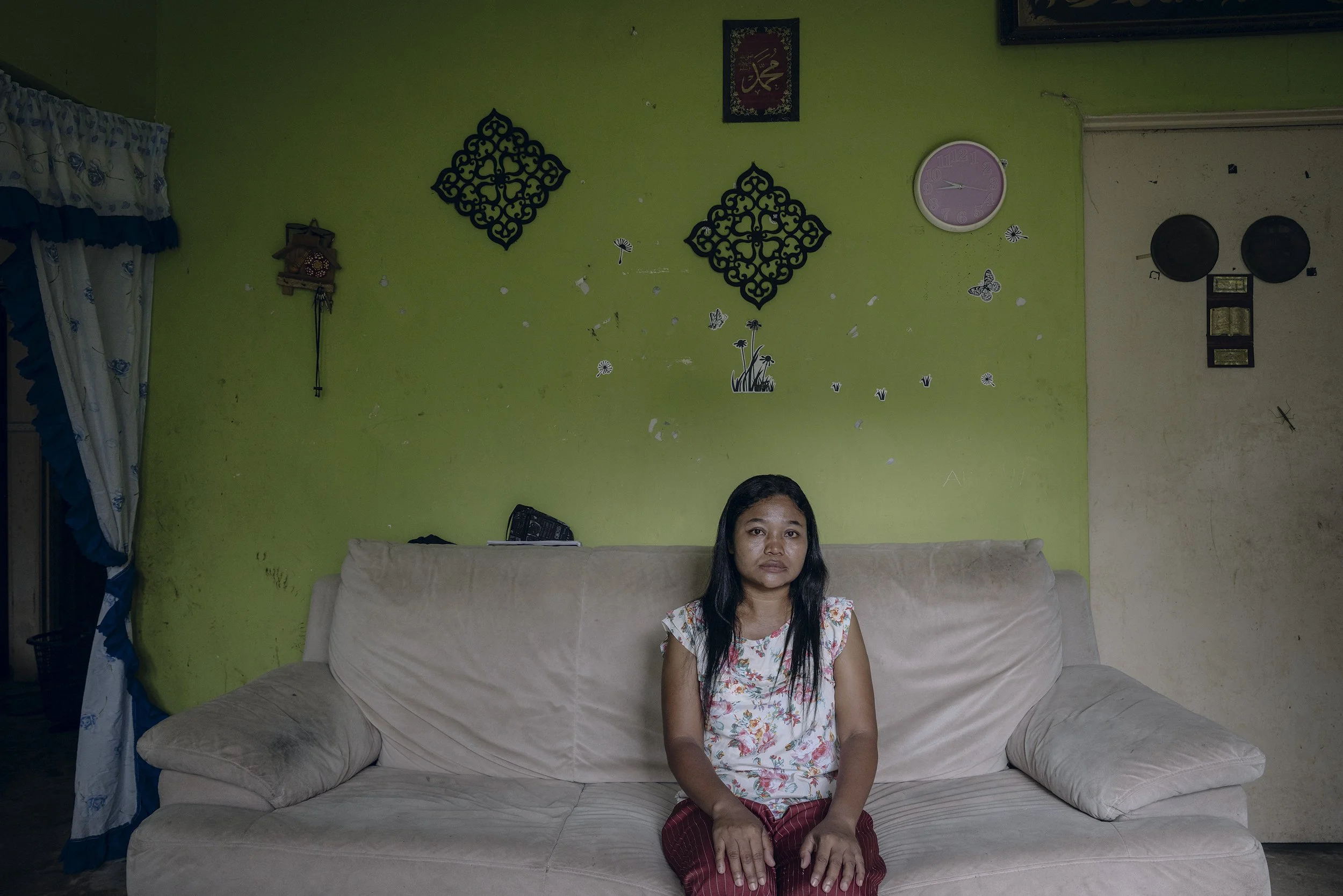
Nur Shima Uncit at home. Image by Ian Teh
Shima is one of the dwindling indigenous populations remaining in Malaysia. They occupied the Malay Peninsula for thousands of years before being displaced by successive waves of immigrants. First, the Malays, after whom the country is named; then, in the last two centuries, tens of millions of Chinese and Indians from the subcontinent, some fleeing war and famine, and many others brought in as indentured labour by the colonial British authorities.
Most of Shima’s brethren fled into the heavily jungled mountains that run down the peninsula's spine, which Malaysians call the main range. But her family refused to leave their ancestral land, even as the small community of some 20 families found themselves pushed into an ever smaller refuge. Nowadays, business invaders ranging from ATV rentals and fishing ponds to squatters seizing land for illegal farming have come to within yards of her village.
And yet, despite the pressure and the massive changes that have taken place, the forest, Shima’s real home, still survives. Dense trees cover the steep slope that soars upward behind her two-room concrete home . But where once she and her clan could roam freely, harvesting plants for medicine and building materials such as rattan, even animals for food, the forest is now forbidden to her. As a protected reserve, Shima may not touch so much as a leaf.
“It’s ridiculous,” she fumes. “I can’t even use a machete to walk in the jungle now. What am I supposed to do, chew my way through?”
Shima is smiling, but her situation and those of the other families is desperate. The only jobs her two teenage sons can find are as gardeners or security guards, and those pay barely enough to survive. Her youngest, thirteen-year-old Ridhwan wanders into the room. After some coaxing, he says he recently dropped out of school. It was because of bullying by the other students, his mother explains, they called him backward and mocked his pronunciation of Malay.
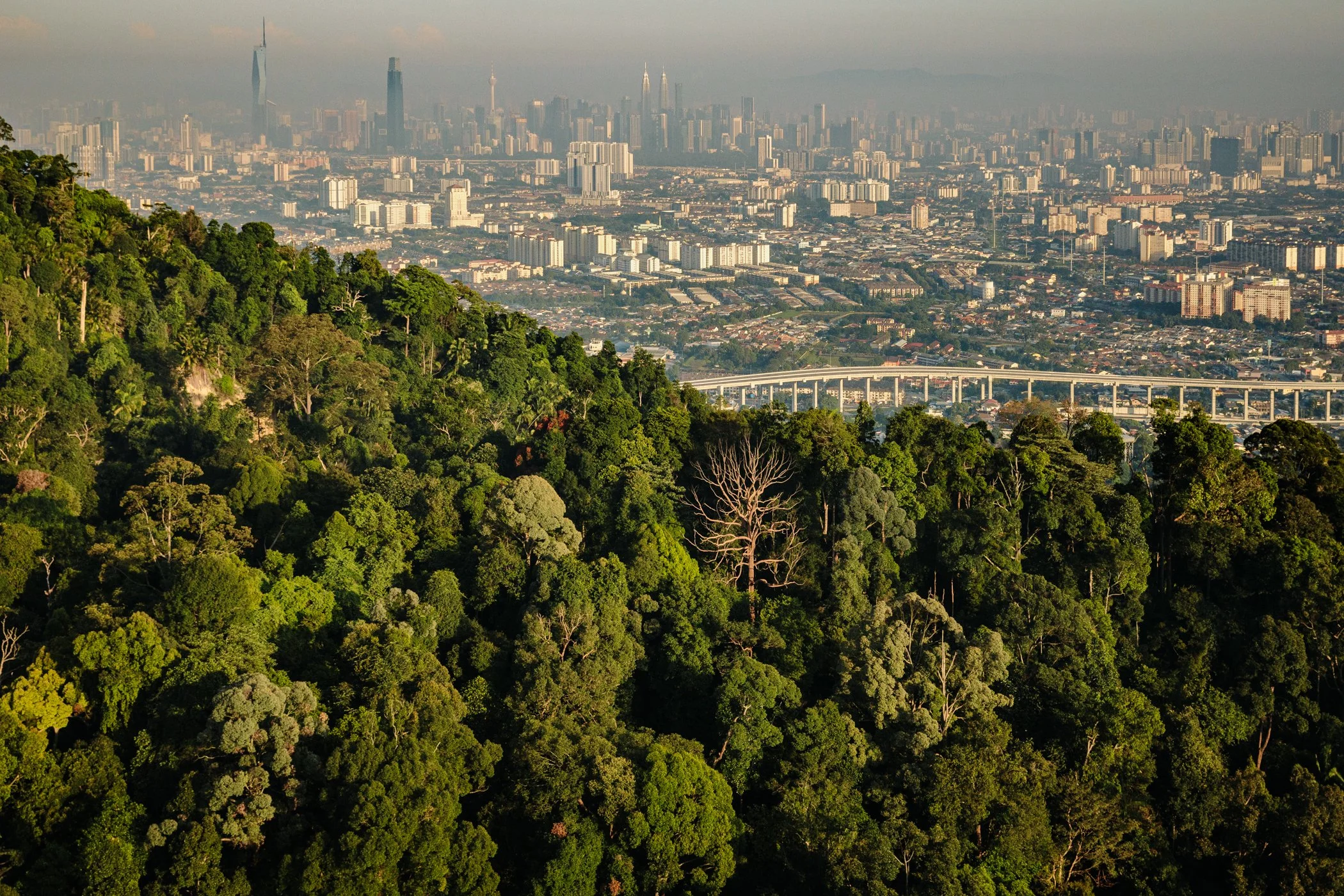
Such stories about the plight of native people clashing with modernity and urbanization are sadly all too common. But what is extraordinary in the case of Shima’s village is just how close to urbanization it is. A climb up the slope behind her house reveals a vantage point on top of the ridge, giving views for scores of miles in either direction.
Spread out below on the north side of the ridge are row after row of neat housing estates and condominium towers; beyond them is the heart of Malaysia’s bustling capital, on one side the iconic KLCC twin towers, on the other the brand new 118-story Merdeka Tower, currently the second tallest building on the globe.
But look East, and the soaring, verdant mountains of the main range girdle the city. And to the South the forest marches on, the waters of the Klang Gates dam glinting among the riot of greens that range from the bright neon of rice shoots to the near black of the deep forest.
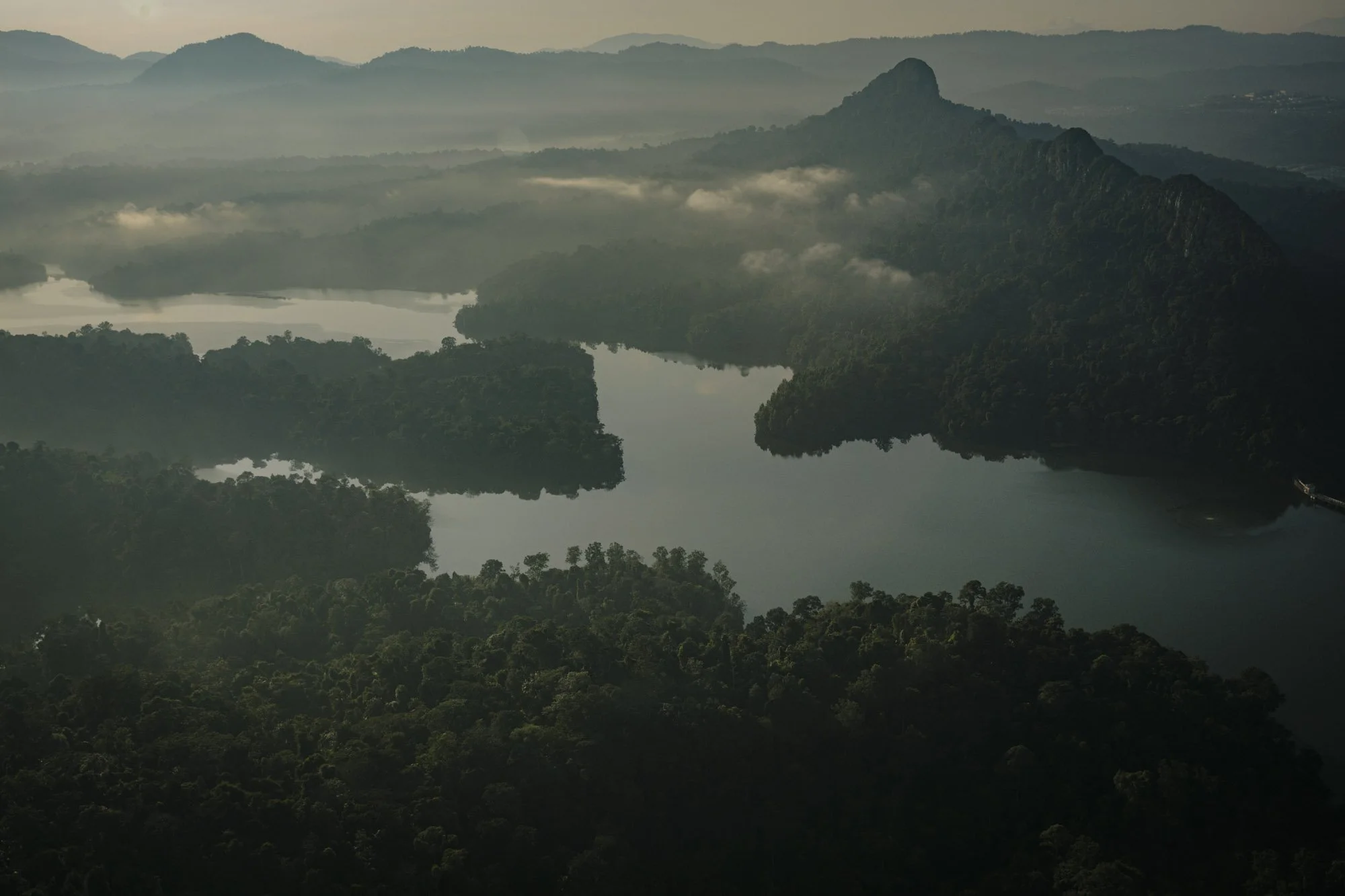
Klang Gates Dam. Image by Ian Teh
The juxtaposition of urban and nearly untouched forest, like Shima and her family, is symbolic of the challenges — and unique opportunities — facing the capital as it confronts the 21st century: as polluted and crowded as it is (Malaysia is home to some 36 million automobiles, one of the highest per capita on the planet), Kuala Lumpur is unique among most of its neighbors in Southeast Asia. Unlike the choked megalopolises like Bangkok, Jakarta and Manila, Kuala Lumpur has retained substantial pockets of greenery, along with a huge reserve of primary forest in the mountains of the main range against which the city is nestled.
It is, say scientists and conservationists, a city on the cusp.
If the government keeps rampant development in check, makes plans to connect those green pockets to protect wildlife that ranges from the tiny mousedeer to the mighty tiger, the city could become a unique blend of urbanization and eco-consciousness, even an example to other conurbations around the world.
In fact, Kuala Lumpur is already in a unique position, says Teckwyn Lim, a lecturer in environmental science at the University of Nottingham, Malaysia, who studies forestry and climate change mitigation in the region. “On its eastern side, it's still surrounded by a more or less pristine rain forest that includes the vast majority of the native flora and fauna, including megafauna such as tigers and tapir, siamang, sun bears, gibbons, and hundreds of species of birds.
“All that is literally a 10 minute drive from KLCC and you're in the heart of the rainforest surrounded by all the animals I mentioned.”
This proximity presents a unique opportunity, Lim says.
“The whole Eastern and Northeastern part of the Klang Valley is still contiguous forests. These hills could form the backbone for a connected or reconnected forest or ecological system whereby many of the species such as birds and squirrels and plants can have a more or less contiguous range integrated with the city.”
If such a network of green corridors was set up — plans for implementation do exist but are still at preliminary stages — they would connect back to the untouched forest of the main range, forming an unprecedented integration between a heavily urbanized population of millions of human beings and the biodiversity reservoirs represented by the peninsula’s remaining rainforest, which have been growing here for hundreds of millions of years and as a consequence boast some of the highest concentrations of biodiversity on the planet.
Nor would the benefits of this arrangement accrue only to the denizens of the forest. Kuala Lumpur’s human population would see huge gains, too, academics and activists say. On an individual level, KL’s inhabitants would benefit from the well-documented psychological and physical benefits of having access to hiking and other activities in the green lungs the linked areas of forest would represent. On a broader, collective scale, the project would also mean cleaner air and protection from disasters such as flash floods, landslides, and other hazards.
Widening out even further, notes Meenakshi Raman, a climate change campaigner and president of Friends of the Earth Malaysia, Kuala Lumpur could be an example to other cities around the world of how to not only slow climate change, but also how to mitigate the impact of changes already underway.
“Urban areas are now home to more than four billion people and produce two-thirds of the world’s greenhouse gases”
she says.
“And those figures will continue to climb in the coming decades. Efforts to push cities like KL to adopt climate friendly changes could contribute massively to changes that could slow climate change and mitigate extreme impacts like rising sea levels and the like.”
Compared to most of its neighbours in the region, Kuala Lumpur remains blessed in one key respect, its relatively small population. Indonesia’s capital Jakarta hosts upwards of 42 million residents in its metropolitan area. The horrific strain produced by this massive agglomeration of people became so bad that it was finally deemed unbearable: in large part because staying in Jakarta was unsustainable, President Joko Widodo announced in 2018 that he was moving the capital to a forested region on the island of Borneo, over a thousand kilometers away.
Kuala Lumpur on the other hand, even when the entire population of the greater Klang Valley is taken into account, barely tips the scales at eight million. And at its most crowded, the city’s Petaling district has about 8,000 thousand residents per square kilometer. In Jakarta, the number is around 16,000.
That this profound advantage has now disappeared under an urban sprawl that rivals that of other huge cities in Southeast Asia is largely a self-inflicted wound. In the mid-1980s, newly installed Prime Minister Mahathir Mohamad decided that establishing a national car industry was a key component of what he called his Vision 2020, the dream of Malaysia becoming a developed nation by that year.
In pursuit of that vision, Mahathir imposed huge tariff barriers on imported automobiles and sank billions into developing Malaysia’s home grown automobiles, mostly through joint ventures with Japanese firms. Japanese corporations such as Mitsubishi passed on outdated designs and technology to heavily subsidized Malaysian partners such as Proton Saga.
The results were swift, spectacular … and disastrous.
By the early 1990s, cheap Malaysian-made cars dominated the market. Private car ownership rocketed, with Malaysians snapping up the low-quality but irresistibly priced cars.
From a base of under 40,000 cars sold annually in the mid-1980s, purchases rose tenfold within a decade and have continued rising rapidly since then, hitting nearly 800,000 in 2023.
Those numbers propelled Malaysia into unprecedented territory :
in 2021, the number of vehicles exceeded Malaysia’s population,
reaching 33.3 million vehicles against 32.6 million people.
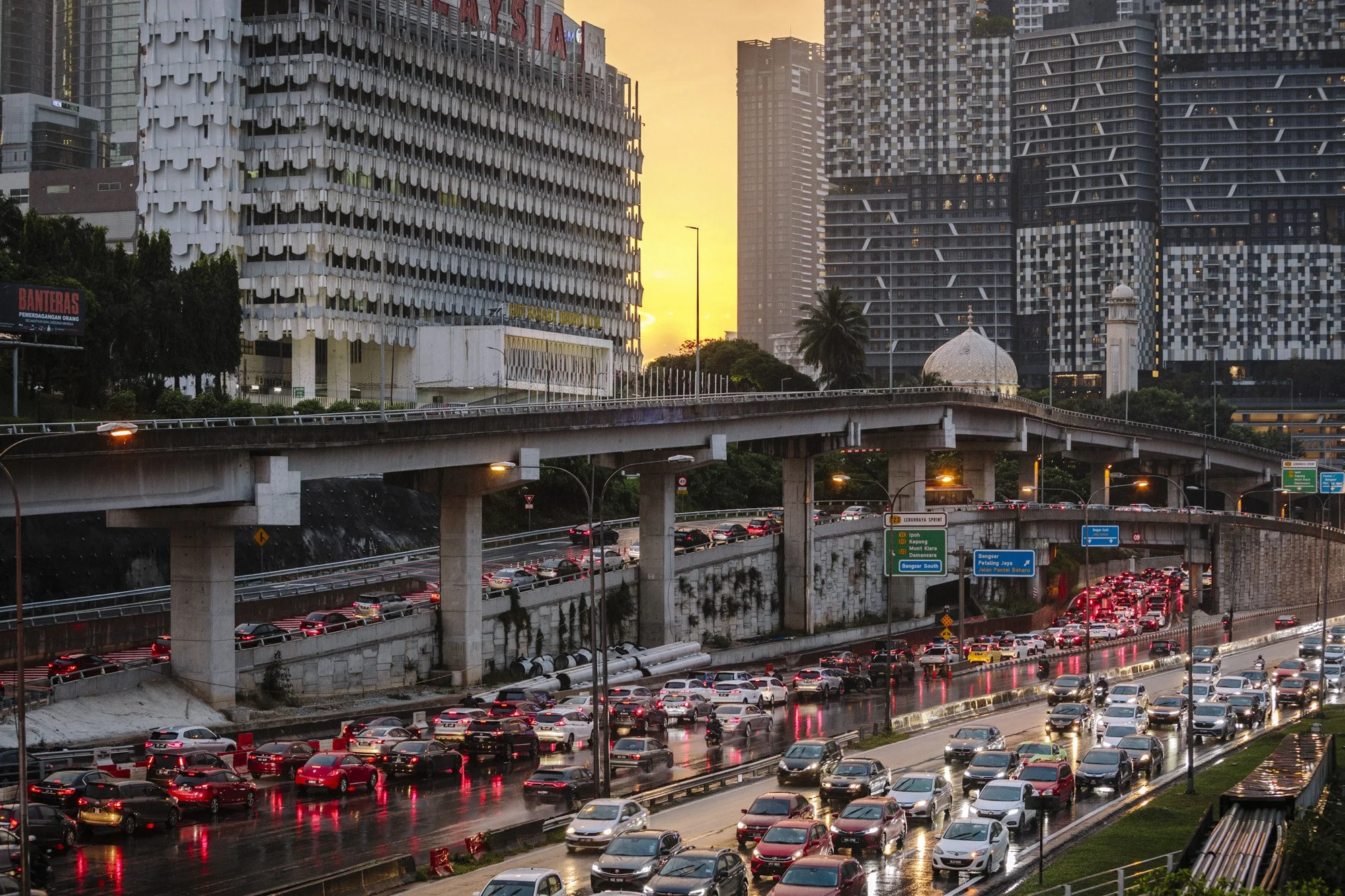
Rush hour congestion. Image by Ian Teh
Not surprisingly, this tsunami of automobiles had a profound impact. As traffic jams and pollution worsened, housing estates were built ever farther from the city centre so that commuters could house their families and their two, three, and four cars.
Each new car bought cheap by a young family encouraged property developers to push out into previous untouched land on the city’s periphery, bulldozing both oil palm and rubber plantations and vast swathes of forest.
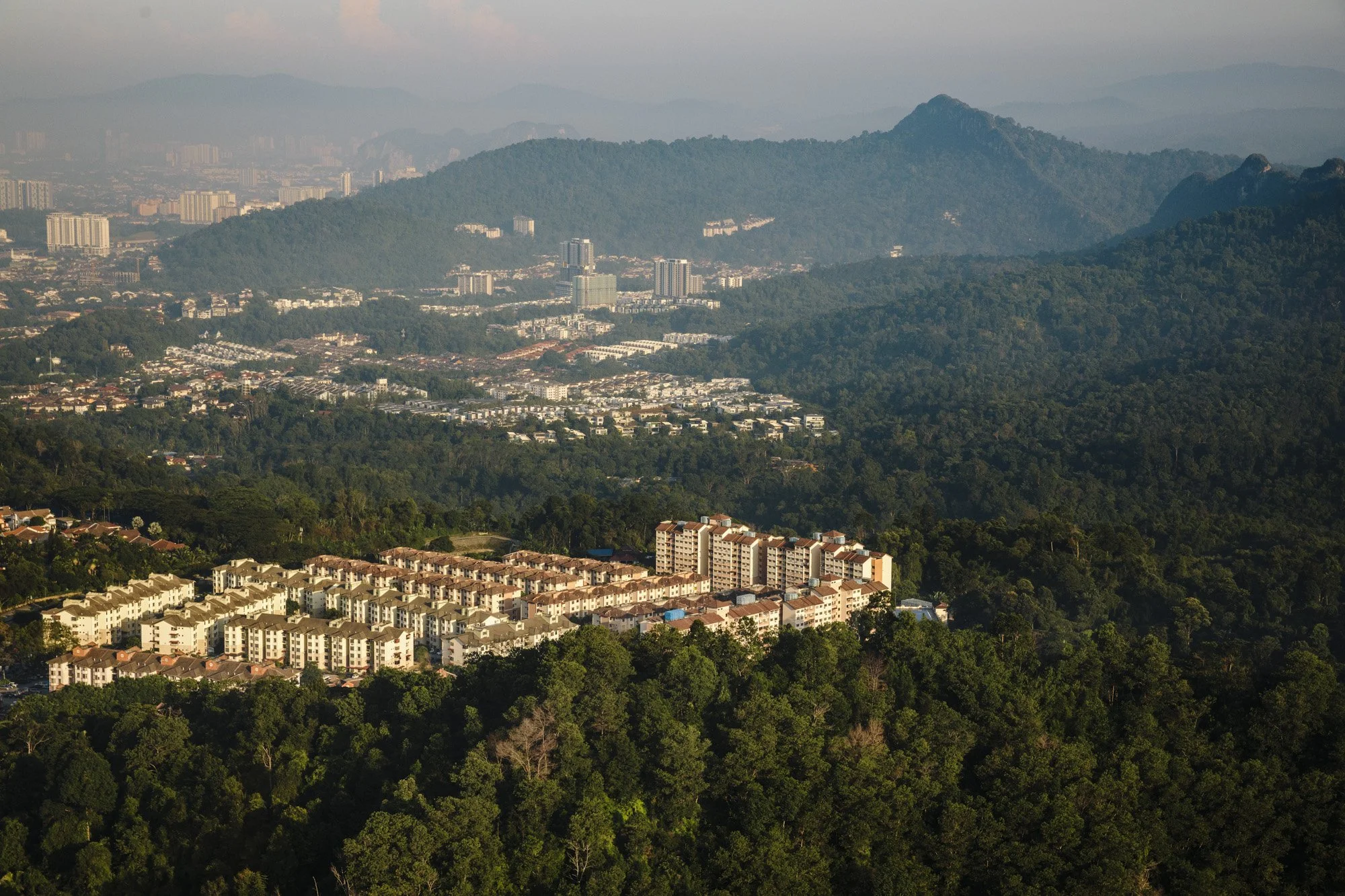
The outward sprawl into green spaces. Image by Ian Teh
The government, meanwhile, was handing out lucrative contracts to developers to build the highways needed to serve these new communities. Not incidentally, it raised its own revenues in ways that were both legal and most definitely illegal.
It was a vicious cycle, say activists and academics, that exacerbated Kuala Lumpur’s urban sprawl to a degree not seen in any other city in the region.
Greater Jakarta and its forty two million people, for example, covers over 6,000 square kilometers.
Greater KL, housing less than a quarter that population, covers around 3,000 square kilometers.
Much of the blame for the out-of-control development in the Klang Valley falls on the Kuala Lumpur City Council and the federal authorities, who activists and civil society groups say have actively encouraged developers and other players such as local car manufacturers with tax breaks and highway concessions. There have been numerous allegations of corruption over the decades – and some actual convictions in court – associated with these lucrative contracts.
In late 2023, the KL City Council, through which the mayor administers the city under the eye of a federal minister, issued a much-ballyhooed plan for the future entitled Kuala Lumpur City Plan 2040. The plan, the latest in a line of such publications stretching back nearly half a century, talks grandly of “creating a quality green environment” and “empowering Kuala Lumpur as a low-carbon city that is resilient to climate change.”
Unfortunately for the credibility of the plan and its drafters, it was precisely because of City Hall’s utter failure to abide by regulations and goals set out on the previous plan, Kuala Lumpur 2020, that the country’s highest court ruled in favor of residents and activists seeking to protect one of the city’s largest remaining parks, Taman Bukit Kiara.
In granting a developer license to build nine blocks of apartments up to 50 stories high in the park, “there was no compliance with the Federal Territories Act…(or) the KL Structure Plan 2020,” the court ruled in November of 2023, ending a six-year legal battle.
With support from the authorities questionable at best, concerned citizens have had to look to other methods to try and reverse the seemingly relentless tide of urbanization and its accompanying evils. For Dzaeman Dzulkifli, director of the Tropical Forest Conservation and Research Center, the answer lay in combining his expertise as an academic biologist with a flair for business.
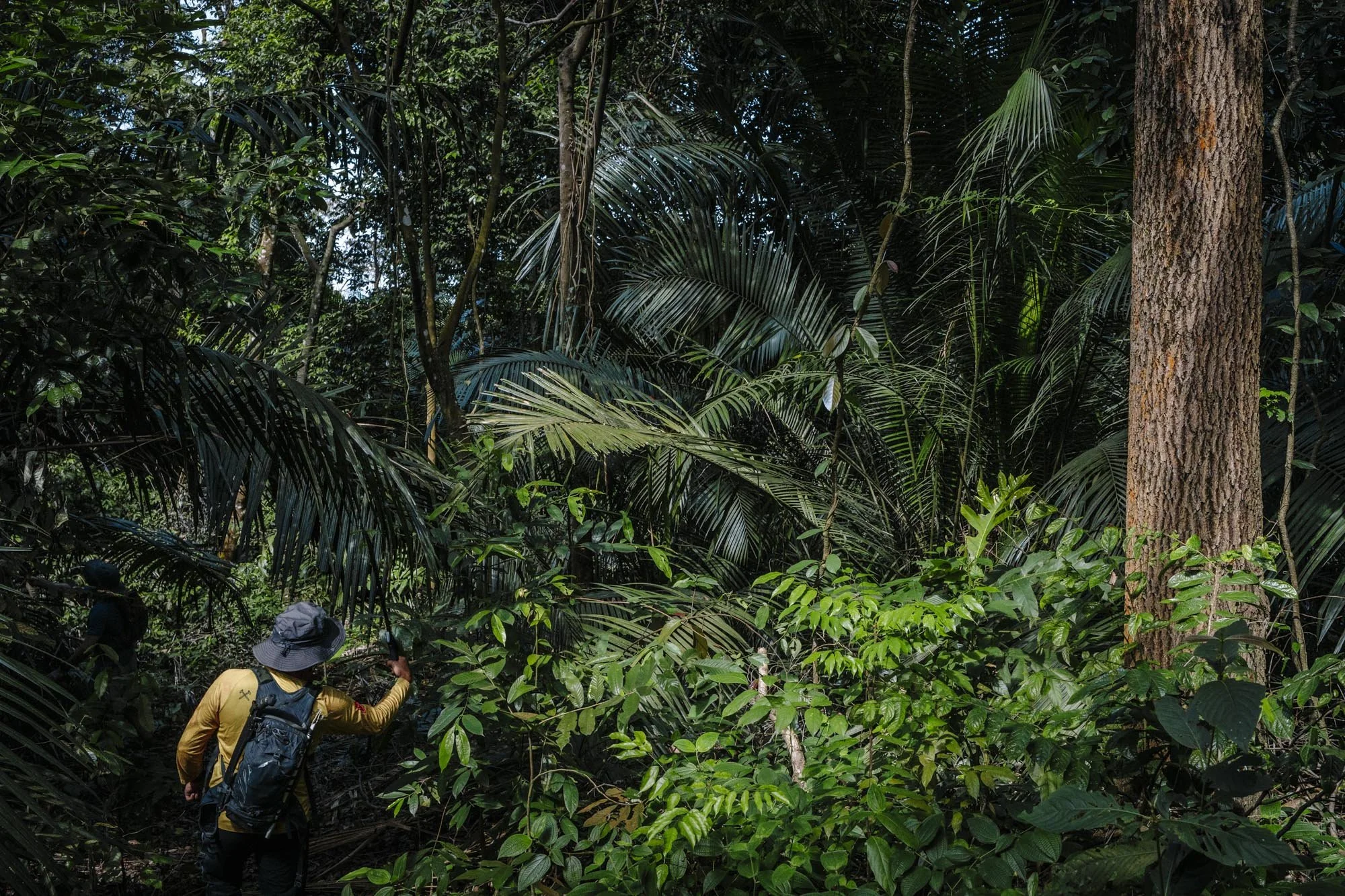
Dr Dzaeman Dzulkifli in the “Backyard”. Image by Ian Teh
Raising funds from the developers who he sometimes finds himself fighting, Dzaeman sees his mission as rehabilitating the many places in the country where the forest has been devastated, either through logging, farming or even slash-and-burn cultivation. And that doesn’t just mean planting a few saplings: Dzaeman’s aim is nothing less than bringing back the full range of biodiversity the areas boasted before falling to the chainsaw and the axe.
“We’re in the urban areas trying to promote native species through parks, the use of native species through planting within our parks. And then after that, all the other open areas that we have, such as the corridors and the river buffer zones.”
While such zones are often squeezed in between towering developments, they can provide a surprising haven for birds, plant species and even wildlife.
Dzaeman points to the Kinabatangan Valley in the Malaysian state of Sabah as an example. There, a small fertile strip of land on the other side of the eponymous river is surrounded by tens of thousands of acres of oil palm plantations. And yet that narrow strip hosts everything from several species of hornbills to proboscis monkeys, orangutans and even pygmy elephants.
Even very heavily degraded palm oil plantations can be brought back to life, he says. On one 500-acre site in Sabah that he has been nurturing for the last decade, for example, “now we have clouded leopards, we have elephants, we have orangutans.”
Obviously, building green corridors inside cities is a different proposition, Dzaeman adds, but the principle is the same.
“You’ve got to work with what you've got,” he shrugs.
Dzaeman and others say
while a change in the way business regards conservation is helpful, the public support is critical.
Teckwyn Lim of the University of Nottingham agrees, noting that the changed public attitude has been — and more importantly will be — critical in KL’s future as a sustainable city.
Compared to previous decades, “I would say the majority of people are genuinely appreciative of nature these days,” Lim says. “Whereas in the past, they viewed nature as dirty and dangerous.”
“That's a huge shift and it also means, for example, there's now a lot of demand for hiking areas. All of those hills (around Kuala Lumpur) are frequented by thousands of hikers every day.”
For former chemical engineer Peter Leong, if change comes, it will be from the ground up, notably from sources such as associations formed by hikers, residents living nearby green areas and other concerned citizens. He himself began what turned into years of activism after joining Friends of Bukit Kiara, who champion the green lung closest to his home.
Now Leong devotes his time to educating others about their legal rights and the best ways of lobbying the authorities.
“In Malaysia,” Leong says, “there's also the tendency for communities to believe that the politicians can solve their problems. But that is simply not going to happen. I try to give them the truths they need to set themselves free.”
Leong can cite chapter and verse on a range of embattled parks and forest areas around the Klang Valley. But, he says, the best example of both the potential for success and abuse is in his own neighbourhood : Bukit Kiara Park.
“Originally,” Leong says, “The area was slated to be a 1,500-acre reserve that was to be the country’s showcase botanical gardens. That was whittled down over the years, mostly when chunks of the park were sold off to developers.”
“One site was supposed to be our national mausoleum for our heroes like Arlington in the United States. But that was sold off and is now the Kuala Lumpur Golf and Country Club.”
-
![]()
Friends of Bukit Kiara. Image by Ian Teh
-
![FoBK night walks with citizen scientists.]()
FoBK night walks with citizen scientists. Image by Ian Teh
-
![Firefly walks in Bukit Kiara with citizen scientists.]()
FoBK night walks with citizen scientists. Image by Ian Teh
-
![]()
FoBK night walks with citizen scientists. Image by Ian Teh
-
![The largest firefly species in the world, Lamprigera sp.]()
The largest firefly species in the world, Lamprigera sp. Image by Ian Teh
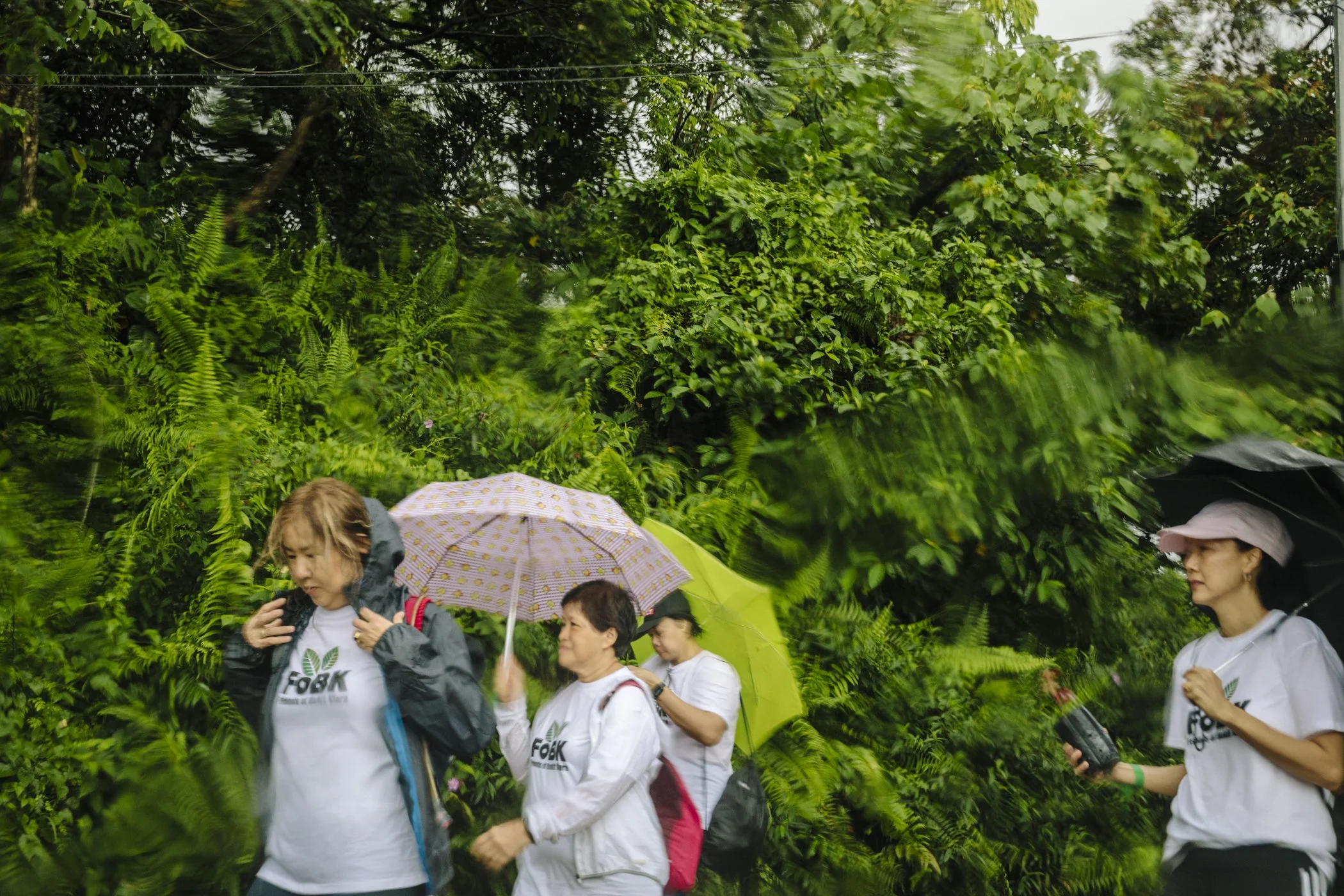
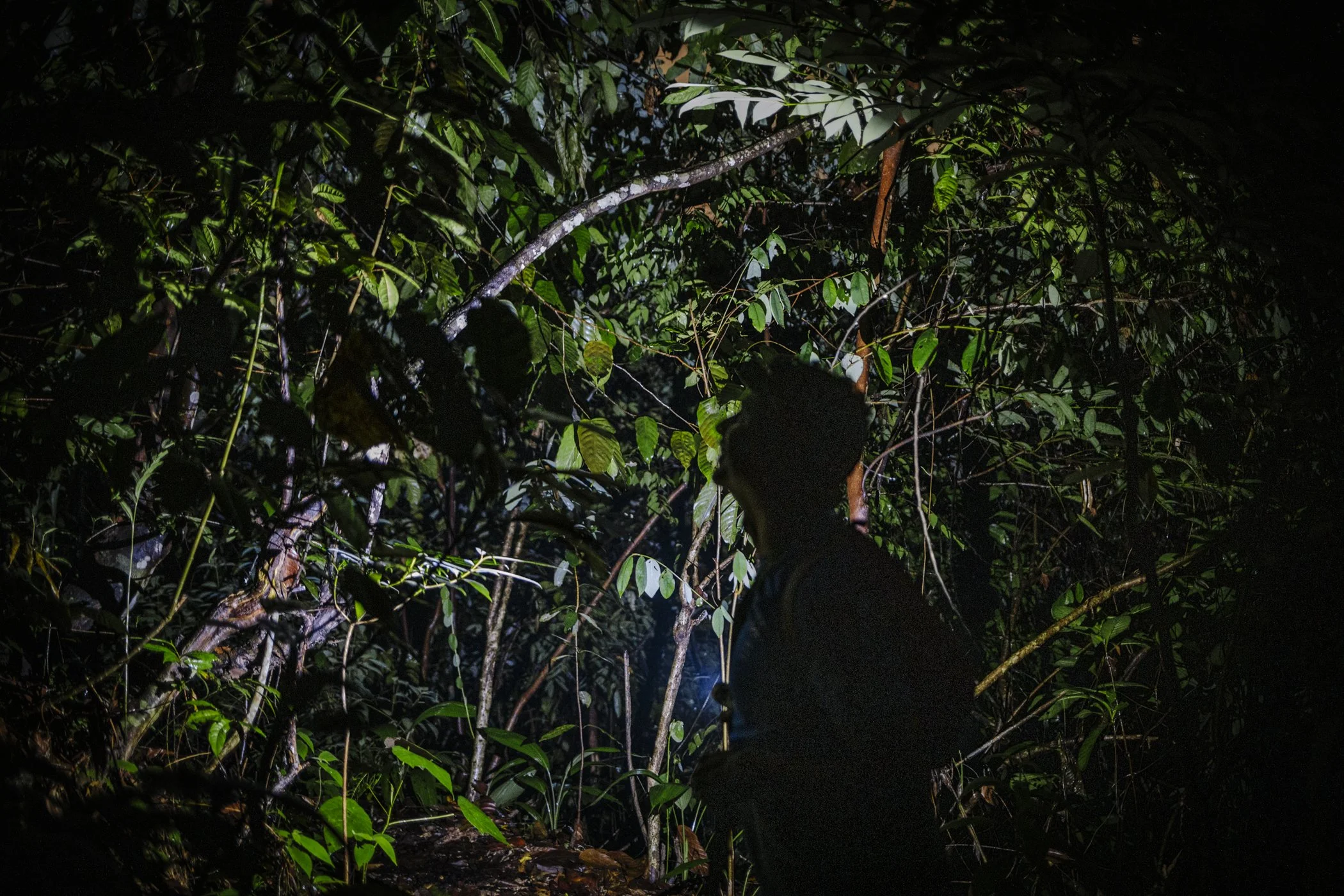
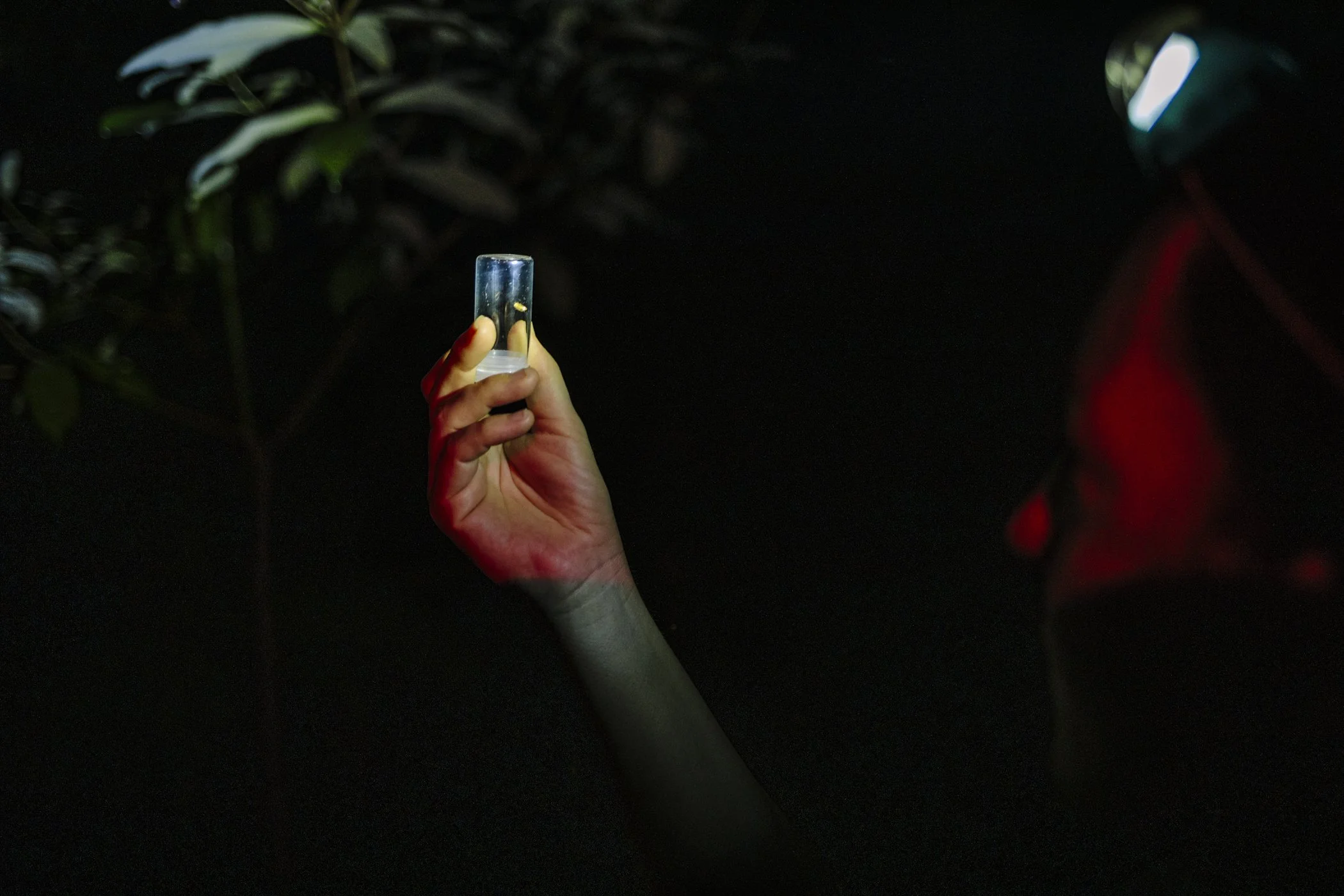
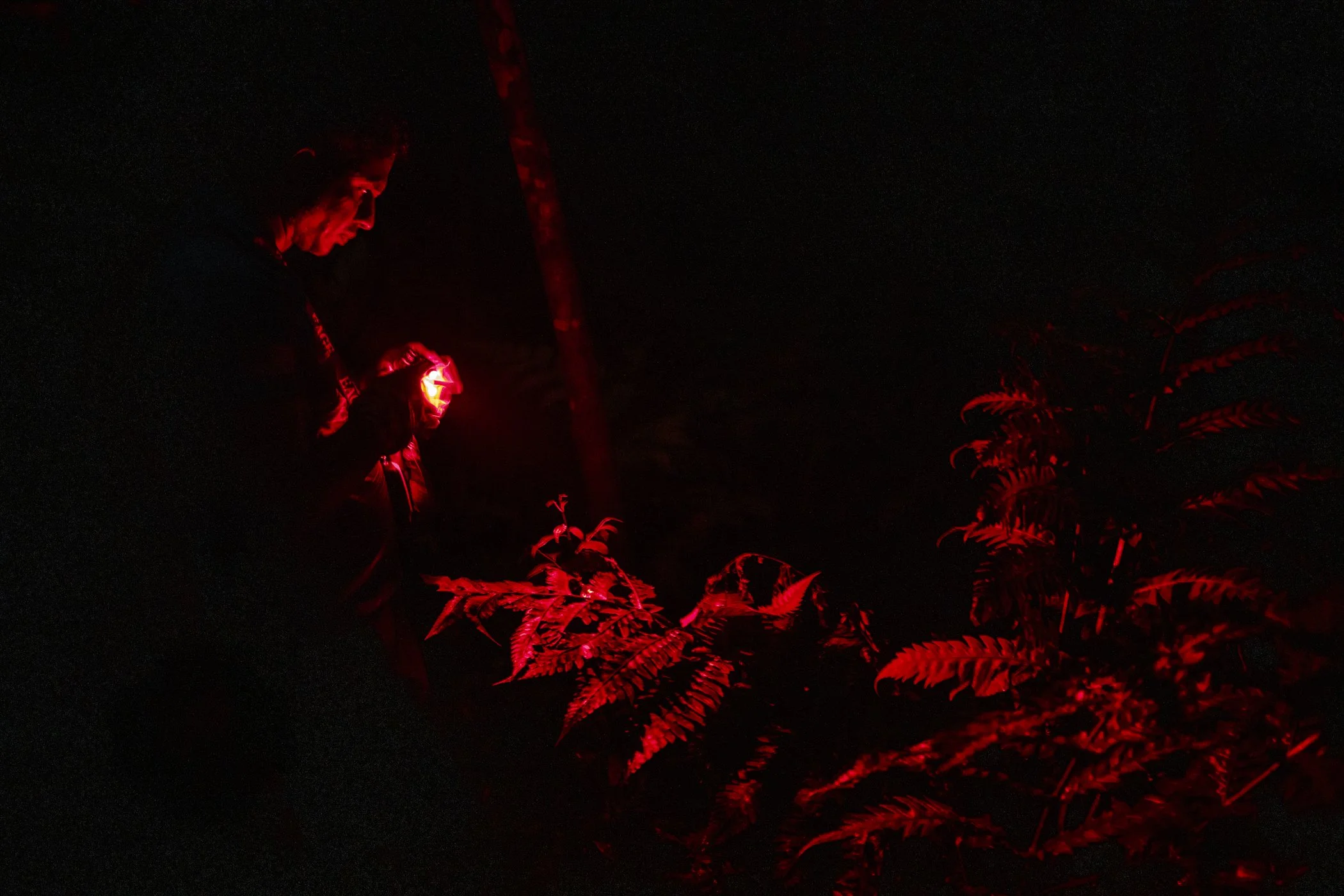

Finally, when the park’s forested area had dwindled to less than 400 acres, residents filed a lawsuit against the Kuala Lumpur City Hall’s awarding of yet another parcel for development, seeking to bar the authorities from selling any more of the park. In 2023, Malaysia’s highest court handed down its groundbreaking judgement that ordered the government to abide by its own rules.
It was a huge victory for the grassroots forces seeking to preserve Kuala Lumpur’s green spaces. Leong and other activists say it will have a profound impact on the numerous other similar cases currently percolating through the judicial system.
Louis Donovan of the venerable NGO, the Malaysian Nature Society is an example of someone who is looking to build on that victory immediately. In cooperation with several government departments (as opposed to politicians who are concerned with doling out land for patronage; he says, “80 per cent of civil servants back conservation efforts like his”), Donovan is in the early stages of building a series of green corridors that would connect up areas like Bukit Kiara.
“We will use everything we can,” to build these corridors. “Wherever trees grow. Riparian zones like riverbanks, but also under existing pylons, which are protected, even paths between housing estates, finding any safe place to convert a natural passage.”
What may sound to the untutored ear like desperate measures are well established in other parts of the world, Donovan says, citing similar projects in the United States or, closer to home, heavily urbanized Singapore, where lanes designated Green Corridors run from the heart of the city around the whole island.
The Malaysian scheme being coordinated by Donovan is dubbed RUGS, an acronym mixing Malay and English, or Klang Valley Green Spaces. He says the three-year project, which has identified 21 areas it aims to link up, has already received funding of some $150,000 from the United Nations Development Fund and other donors.
Should Donovan’s scheme come to fruition, it will be music to the ears of Nur Shima and the other two dozen or so indigenous families isolated in their small village above the Kuala Lumpur Zoo.
“My father’s father told me he could remember a time when all this was forest,” says Nur Shima with an expansive wave that takes in the whole horizon. “No Zoo, no KLCC Towers, no Kuala Lumpur. Just the jungle.”
In those days, she says, her people could walk from the hills to the water without ever leaving the protection of the trees.
Would she like things to go back to where they were in those days? She smiles wistfully, and shakes her head.
“Of course, that’s not possible. Many people live here now.” But Shima says she would like to walk the forest trails again, even if they were inside the city.
Amen to that.
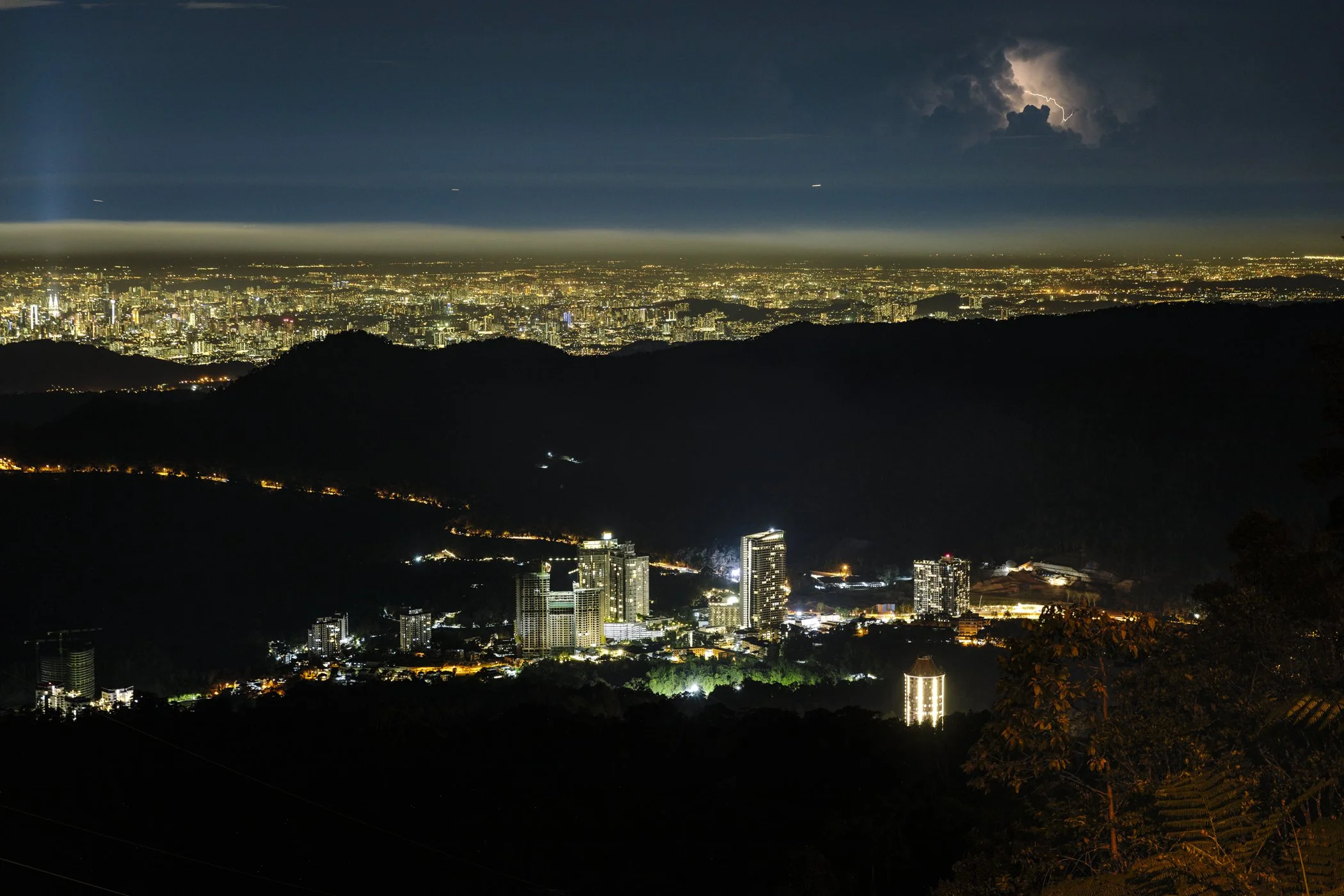
Cityscape of Kuala Lumpur from Genting Highlands. Image by Ian Teh